Key Takeaways
[This page is in development.]
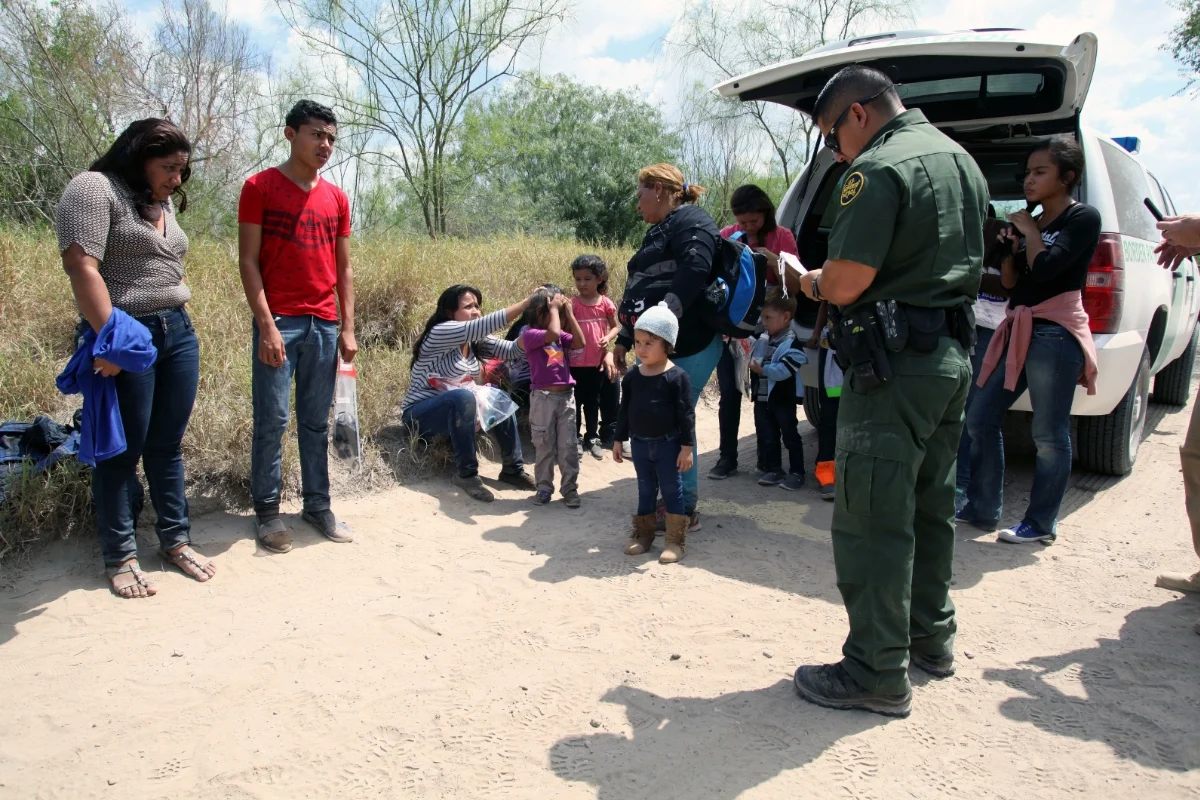
The violence and aggression toward immigrants that is current government policy have compelled us to publish now to clarify what we mean by “the immigration problem”. Too much about immigration in this country has been distorted and misunderstood for too long.
The “immigration problem” lies not with the people being attacked by the government but with the laws and infrastructure of the immigration system. For now, we offer a definition of the problem that identifies its root cause and clears up the confusion surrounding the status of millions of asylum seekers who were promised a fair opportunity at a better life here in our country.
The bottom line is this: Like it or not, millions of people have entered the country under one set of rules that have suddenly been jettisoned in a raw display of authoritarian power. In effect, Americans who support this power play have broken that promise and turned their backs on people who came here believing in the American dream.
Problem Definition
“The immigration problem” has two major elements:
- The immigration system is plagued by bureaucratic inefficiencies, lack of resources, and inadequate infrastructure to respond to all who want to enter and remain in the country. These circumstances have created a years-long backlog of cases in the court system. That backlog leads many immigrants to cross the border illegally.
- Our asylum policy allows people to cross the border illegally, then gain some temporary legal status by declaring for asylum. There is no cap on the number of people who can claim asylum. Not only does this policy invite law-breaking, it further burdens an under-resourced system.
The result has been an immigration system in which millions of people enter, reside, and work in the country, some for a decade or more, who are now well-integrated into their communities and are often in households that now include US citizens (their spouse and/or US-born children). During this time, these immigrants are in a legal limbo. They lack formal legal status yet are legally permitted to remain in the country as they await processing to determine whether they will be deported or allowed to pursue permanent residency and citizenship.
From Immigrants to “Limbogrants”
Asylum seekers are often referred to as “illegal immigrants”, which is not quite accurate. US law allows asylum seekers to enter the country illegally and request asylum. As soon as they make that request, the legal system offers them some level of protection from deportation until their claim can be heard in immigration court. That hearing might not occur for months or years.
To add to the confusion, proponents of our immigration system often use the term “undocumented” rather than “illegal” to describe asylum seekers. This is also not quite accurate. Once an asylum seeker files for asylum, they are documented.
And to further muck up the discussion, researchers who study immigration have used the term “unauthorized immigrants” to describe the more than 12 million people who entered this country legally or illegally and lack permanent legal status – except approximately 6 million have at least temporary permission (authorization) to live in the country and are protected from deportation.
The confusion leaves these immigrants in a legal limbo in which they are extremely vulnerable to a sudden change in government policy. These people are not yet legal residents with permission to live and work here, yet many have temporary authorization to do so which, while legally recognized, is tenuous. While they await a verdict on their status, most asylees typically invest themselves in their communities, often working and paying taxes without the benefits of citizenship. So, we will use the more precise if made up term of “legal limbogrants” when referring to them in order to clarify their status.
Elsewhere, we have written that the immigration system is indifferent to immigrants. Their legal limbo is the result of that apparent indifference, the product of a kind of conflict avoidance as Americans’ humanitarian compassion negotiates policy with a deep-rooted fear and disapproval of the presence of mostly black- and brown-skinned immigrants inside our borders.
Indifference has never solved a problem. In this case, it allowed an open wound to fester, so much so that the Trump regime’s aggression towards immigrants is a welcome signal to millions.
Problem Scope
Limits to What We Know
What’s at Stake
Potential Obstacles
Related Considerations
Frequently Asked Questions
Tools & Resources
Sources
Credits
Author: George Linzer
Published: November 10, 2025
Feature image: vichinterlang for UnSplash
Related Pages
Leader Profiles

Jeannette Horwitz: Respecting America’s Immigrant Heritage
As the program coordinator for Welcome Dayton, Jeannette Horwitz works with all facets of city life — schools, libraries, businesses, fire and police departments, places of worship, and her colleagues in the city government — to make it easier for immigrants and refugees to integrate into the community.
Progress Updates

Hydrogen Power in OH, Immigrant Protection in CO, Tariffs on Data Centers in MI
Beyond the election spotlight, Americans continue to press for ways to reduce greenhouse gas emissions, protect their immigrant neighbors, and make businesses and not consumers bear the cost of new infrastructure investments to support their growth.
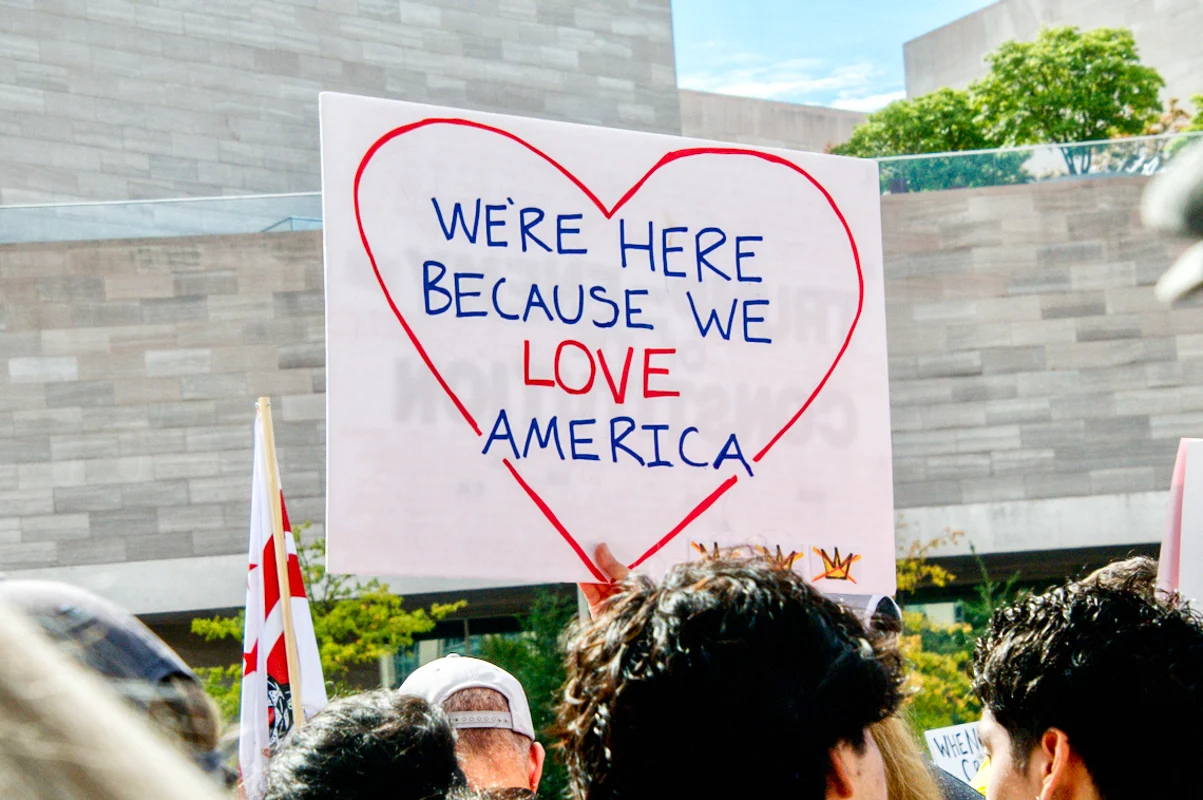
Democracy Shines on No Kings Day
Almost seven million Americans marched, rallied, and sang patriotic songs on No Kings Day to protest the Trump regime’s grasp for power, demonstrating that democracy’s flame still burns bright in the United States.
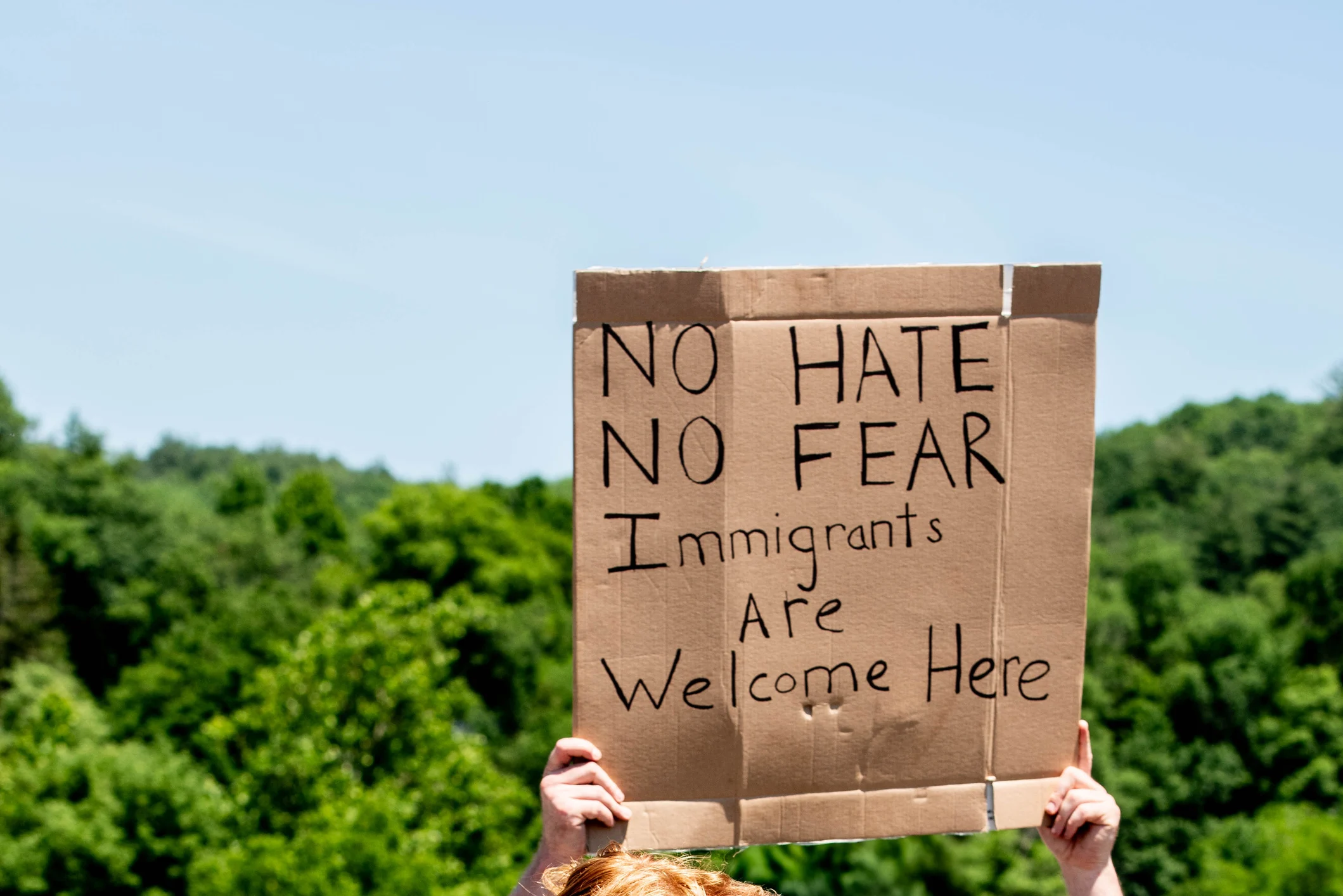
Attacks on Immigrants Don’t Fix Immigration, Make Way for Autocracy Instead
Rather than fixing the many cracks in the immigration system, as Republicans and Democrats tried to do for years, our current government is instead attacking immigrants, seizing them in very public displays designed to instill fear, demonstrating no regard for individual rights and personal dignity.