What is the most reliable energy source for a warming world? Three provocative reports by a pair of news organizations focused on climate change and clean energy — non-profit Canary Media and for-profit Heatmap — shed some light on several options.
The debate over climate change and the need to transition away from fossil fuels is often fierce and confusing. But, whether or not you attribute rising temperatures to human-induced climate change, there is little doubt that the world is warming and bringing with it severe weather that is sometimes changing the landscape where people live, as we saw very recently and tragically with the glacier collapse in Nepal. Shifting to renewables is increasingly cost-competitive with fossil fuels, and a good way to limit further warming — or, for the skeptics who aren’t sure about climate change, to hedge your bets and limit further risk, just in case.
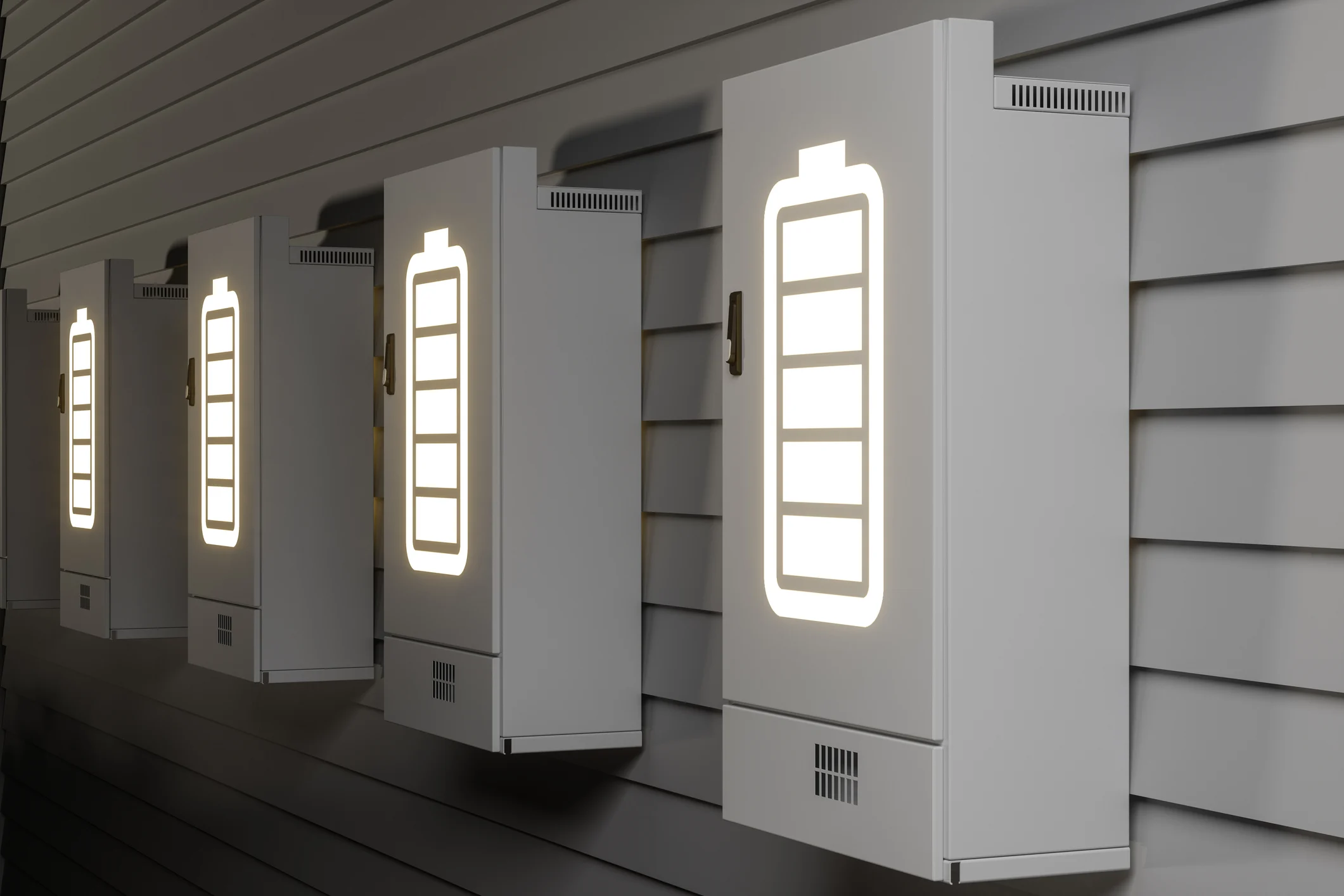
As these articles suggest, solar plus battery storage is making a compelling case for the path forward.
Solar + Batteries Stabilize Texas Grid
Writing for Heatmap, Matthew Zeitlin lets us know that the combination of solar power production and battery storage capacity allowed the Texas electricity grid to manage its highest load ever without issuing a single “conservation appeal”. Three years ago, in a one- week span, the grid manager issued six such appeals.
Grid stability and the availability of power during peak demand and after the sun goes down (when solar production drops to zero) are attributed to increased battery storage capacity. This new stability has translated into lower bills for consumers.
Hydropower Suffers Iin Drought
Kathryn Krawczyk writes in Canary Media that drought conditions across North America are putting hydro-electric generation at risk. Not only are record- low levels of water being recorded at Lake Mead and Lake Powell, which are nowhere near their full generating capacity of 3 GW, but drought conditions in Canada have limited the supply of hydropower to customers in New England and New York City via two new transmission lines brought online earlier this year.
Nuclear Power Also Risky in Drought
Nuclear reactors need water to cool them. Many rely on nearby rivers to supply the water. Alexander C. Kaufman, also for Canary Media, writes that as Europe has learned this summer, when prolonged extreme heat causes a drought, the reactors have to go offline.
What can you do?
There are many compelling reasons for the energy transition: more stable, cheaper energy supply, greater national security, and environmental benefits. While many people in business and scientific research are investing in a wide range of potential solutions, strong leadership and coordination are needed by the federal and state governments to ensure the transition happens sooner rather than later and with the least disruption.
With elections this fall, it is imperative that voters choose wisely. Candidates who advocate for more fossil fuel investment without also supporting equal or greater investment in renewables and nuclear (fusion research as well as traditional fission reactors) are not to be trusted with our future. Such candidates fail to grasp the evidence of their own eyes — extreme weather and the resulting heat waves, droughts, wildfires, violent storms, heavy rains, floods, and landslides are the new normal — and are failing to hedge their bets to minimize future risks of even worse changes. They are betting on the very small degree of uncertainty that has accompanied decades of climate science, science that has been, in fact, too conservative in underestimating the speed with which climate change is happening.
The most effective action you can take, then, is to vote for and promote candidates who support an energy transition away from fossil fuels and who will encourage stronger coordination between government and business to bring about a smooth transition that leaves no one behind.
The following web resources can help you find information about voting in your area, what the candidates believe, and how you can get involved to ensure that our elections are fair and the results respected.
VOTE411 is a one-stop shop for election-related information, including key deadlines and how to volunteer at the polls.
Project VoteSmart provides free, factual, unbiased information on candidates and elected officials to all Americans. It aims to give you the information you need to … vote smart.
National Voter Corps lists local and national organizations that offer a variety of ways you can work for voting rights.
Learn what you can. Talk with your family, friends, neighbors, and colleagues. Spread the word and vote. And for those who are willing and able, be prepared to stand between voters, their ballots, and the vote count and those who seek to disrupt these elections and confuse the results.
Sources
The URLs included with the sources below were good links when we published. However, as third party websites are updated over time, some links may be broken. We do not update these broken links. If you are interested in the source, it may be possible to find it by copying and pasting the URL into a search on the Internet Archive Wayback Machine. From the search results, be sure to choose a date near the accessed date.
Matthew Zeitlin, “The Texas Grid Has Had a Boring Summer Thanks to Batteries”, Heatmap, Aug 26, 2026, https://heatmap.news/energy/texas-grid-reliability-batteries, accessed Aug 28, 2026
Kathryn Krawczyk, “America’s hydropower challenge goes beyond the West”, Canary Media, Aug 21, 2026, https://www.canarymedia.com/articles/hydropower/hydropower-drought-west-lake-mead, accessed Aug 28, 2026
Andrew C. Kaufman, “How much of a threat do heat waves pose to nuclear plants?”, Canary Media, Aug 27, 2028, https://www.canarymedia.com/articles/nuclear/heat-waves-nuclear-plants, accessed Aug 28, 2026
Have a Suggestion?
Know a leader? Progress story? Cool tool? Want us to cover a new problem?